A clean hole at the right size starts with the right tool for the material. Here is a short guide for the workshop and the site.
1. Pick the drill type for the material
- Standard drill or driver: wood, light metal and screw fixing.
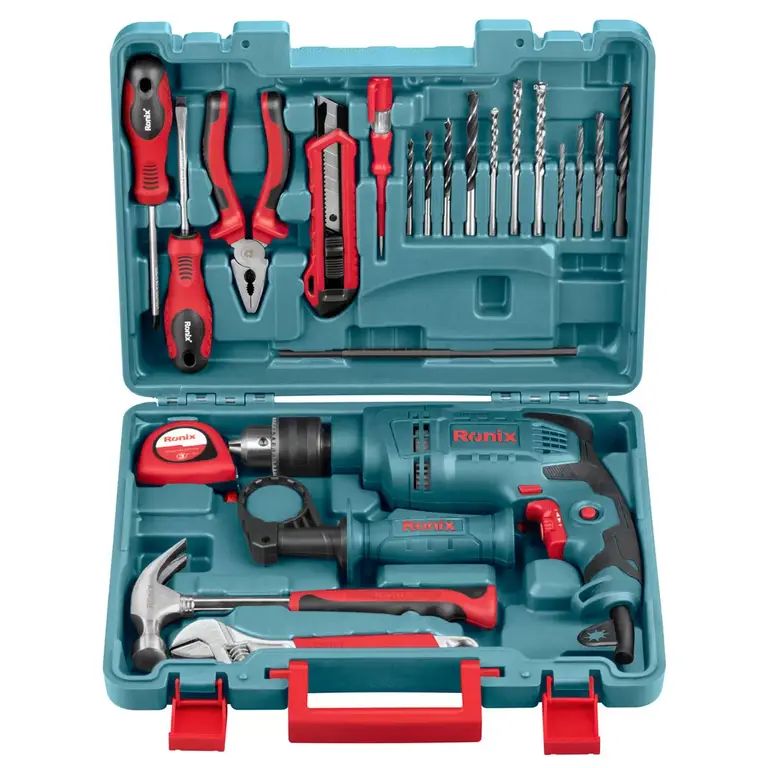
- Hammer drill: brick, block and light concrete.
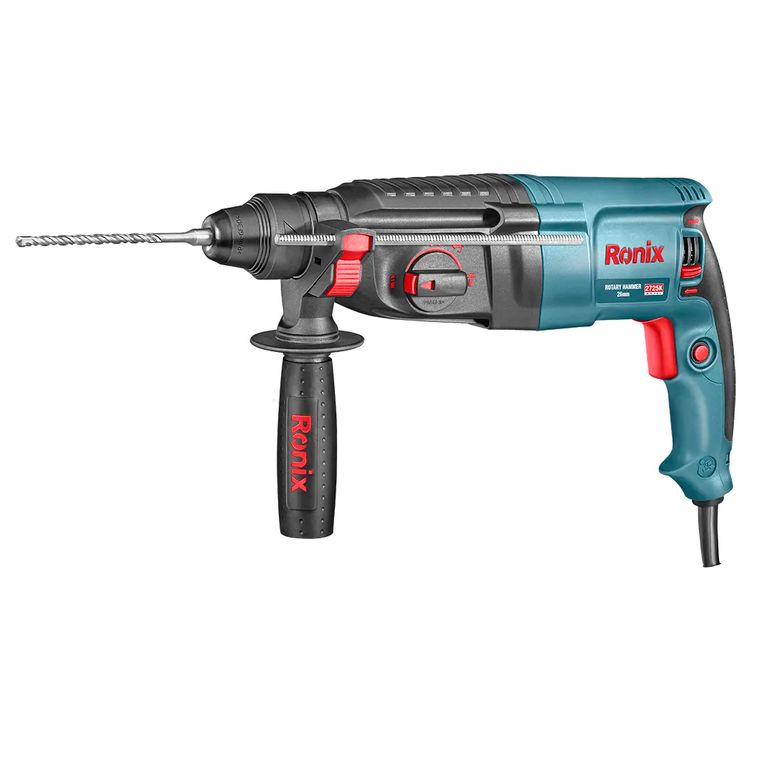
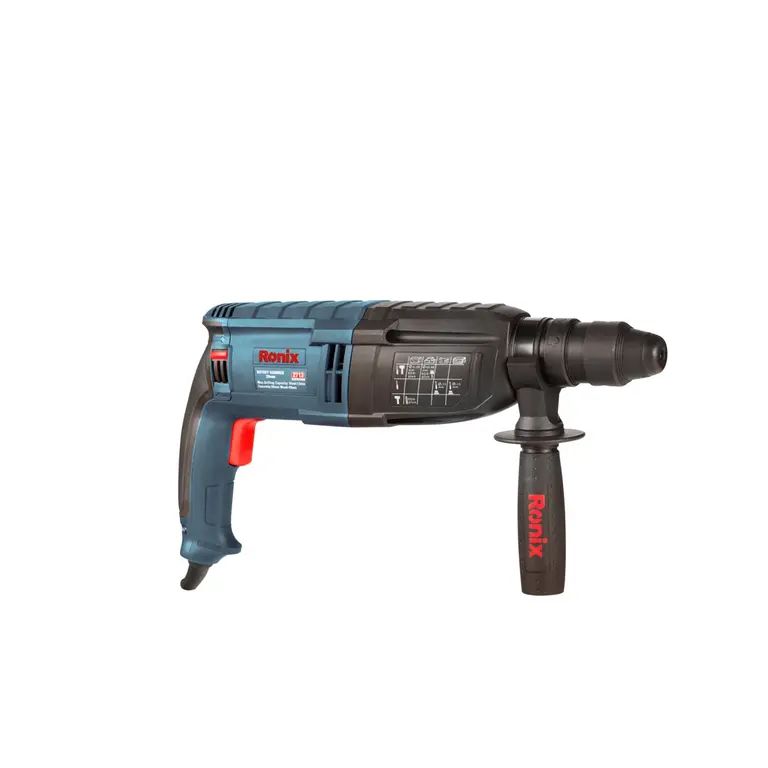
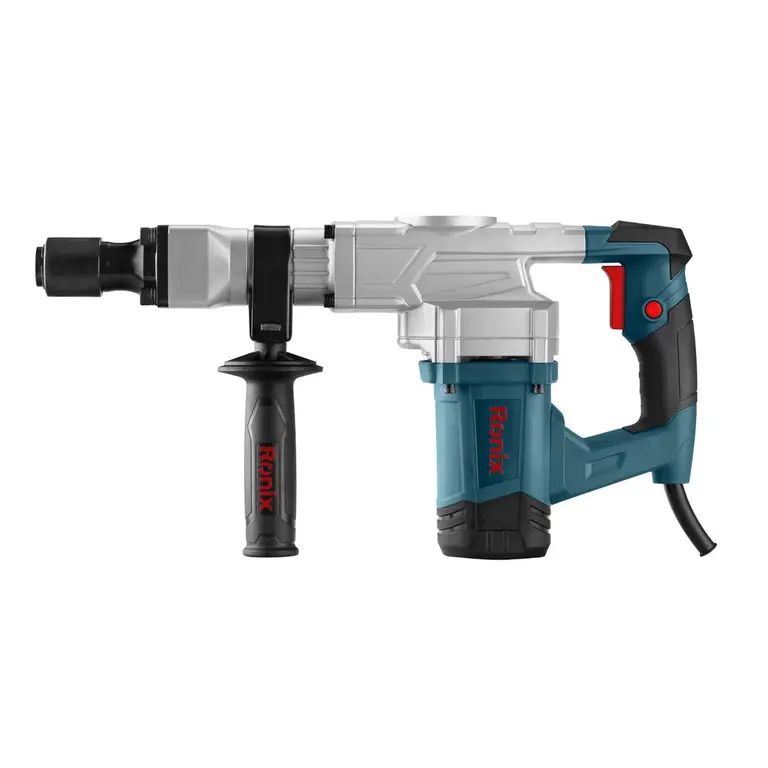
- SDS rotary hammer: reinforced concrete, large holes and continuous work.
2. Pick the right bit
- Carbide-tipped masonry bits: brick and concrete.
- SDS-plus bits: fit SDS rotary hammers only and transfer impact energy more efficiently.
- HSS metal bits: steel and sheet metal, at lower speed with cooling.
- Wood bits: with a centre point for an accurate start.
3. Correct drilling steps
- Check there are no electrical cables or water pipes behind the surface.
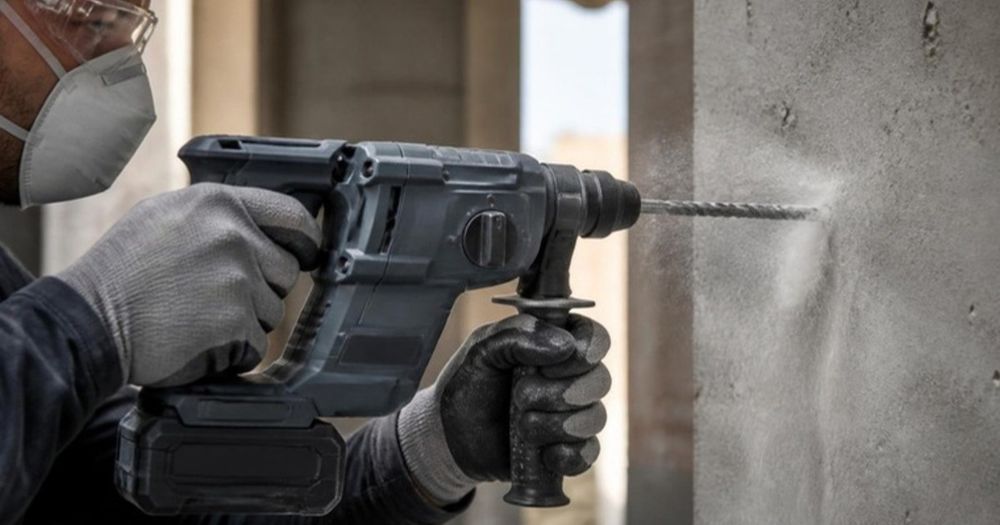
- Start at low speed without hammer until the tip seats, then switch hammer on.
- Keep the drill square to the surface and don't force it; let the tool work.
- Pull the bit out every few seconds to clear dust and cool it.
- Use the depth stop for a consistent depth on every hole.
4. Safety first
Wear safety glasses, a dust mask and ear protection, and fit the side handle when working on concrete.
5. Cordless or corded?
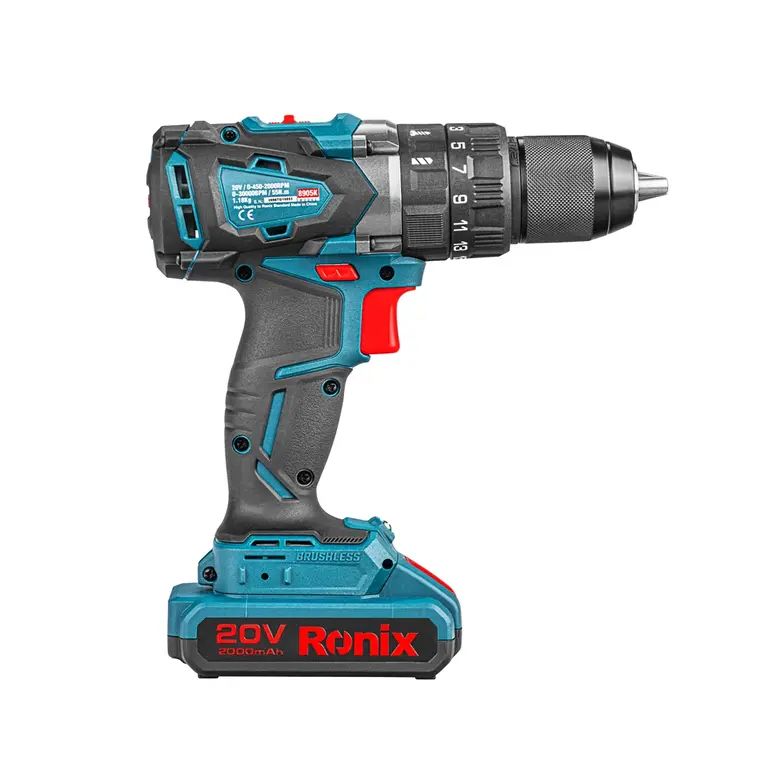
Cordless suits mobility and occasional jobs; corded suits long hours of continuous drilling.
Shop power and cordless tools at Golden Level, and for quantity quotes use the Request a Quote form in the store menu.